Sponsored article
How does modern mat design affect the perception of Commercial Spaces?
- How does the first contact with a space shape its visual and functional perception?
- Why does mat design become a part of a brand's image strategy?
- How does mat aesthetics realistically influence the comfort and perceived quality of a facility?
- How does modern mat design consistently build the perception of commercial spaces?
The entrance to a commercial space acts as a quick quality test. Before a client can even glance around the interior, their attention has already been captured or... lost. It is in this first second that a silent dialogue between design and the observer's expectations unfolds. Modern entrance mats are increasingly ceasing to be an invisible backdrop and are starting to consciously work on the image of the place. They combine a protective function with aesthetics, organize the space, and subtly communicate standards even before the first word is spoken. Although a detail, its impact on the perception of the entire space can be surprisingly significant.
Read more: The Advantage of Custom Entrance Mats Over Standard Solutions
How does the first contact with a space shape its visual and functional perception?
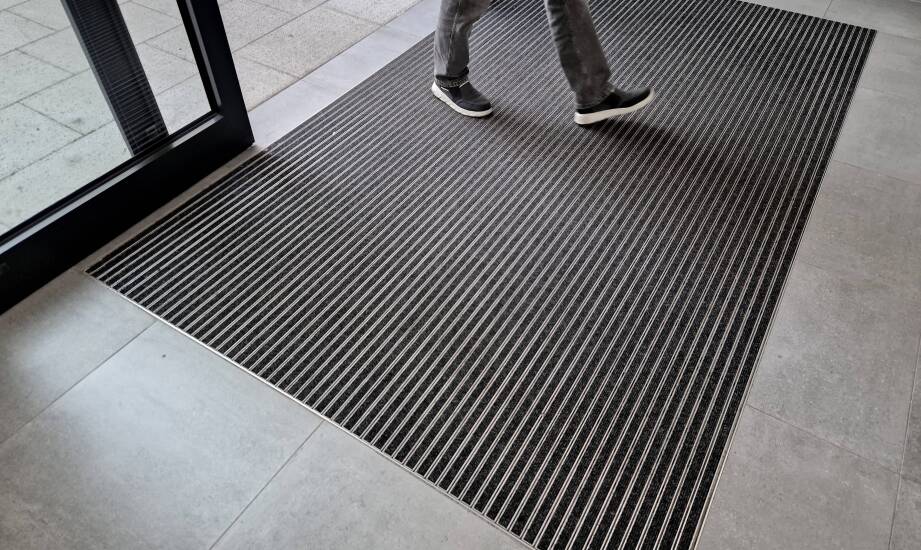
Modern commercial spaces are judged in the blink of an eye, and the entrance zone serves as a perceptual filter through which the entire interior is interpreted by the observer. Durable entrance mats are no longer just protective elements but integral parts of the architectural composition, influencing the perception of quality, orderliness, and professionalism of a facility. An appropriately designed mat visually organizes the space, guides user traffic, and highlights the character of the place, while effectively trapping moisture and dirt. Key to this is aesthetic consistency with the flooring, color scheme of the interior, and brand visual identity, as it is these details that determine the impression of modernity and attention to standard. Thus, the entrance mat stops being a technical addition and becomes a tool for building first impressions, user comfort, and the long-term image of commercial spaces.
Read more: What Benefits Does Deburring Automation Bring to the Industry?
Why does mat design become a part of a brand's image strategy?
In a modern approach to the arrangement of commercial interiors, mat design is treated as an intentional brand communication tool. The company Unimat Factory emphasizes that the aesthetics of mats should align with their functionality because only such a combination realistically influences how space is perceived by clients and business partners. Customized patterns, matched colors, and the ability to apply a logo make the entrance mat a carrier of visual identity even at the entrance to the facility. This solution is particularly important in offices, hotels, shopping centers, or modern service facilities, where brand consistency, aesthetics, and professionalism are elements of competitiveness. Here, mat design does not serve a decorative function detached from practice but reinforces the brand's message, highlights its standards, and builds a sense of organized and well-thought-out space.
Read more: The influence of Polish pottery on table culture - How does it add character to meals?
How does mat aesthetics realistically influence the comfort and perceived quality of a facility?
Modern mat design directly impacts the daily experiences of users of commercial spaces, affecting safety, hygiene, and ease of movement. The use of advanced materials and fiber structures allows for effective limitation of dirt transfer indoors, improving the visual cleanliness of the space and its perception as a well-maintained and modern place. At the same time, aesthetic mats reduce slippage, stabilize pedestrian movement, and support the ergonomics of entrance areas, which matters both for clients and employees. In the long term, this translates into lower maintenance costs for the facility, greater floor durability, and a cohesive, professional image. Thus, mat design becomes an element that combines protective with aesthetic functions, realistically influencing how a commercial space is perceived, judged, and remembered.
How does modern mat design consistently build the perception of commercial spaces?
Modern entrance mat design today plays a clearly defined role in commercial architecture: it starts by building first impressions, then enhances visual consistency and brand communication, and finally realistically influences the user comfort and perceived quality of the facility. Aesthetics combined with durability organize the entrance space, limit dirt, and support safety while emphasizing the professionalism of the place. As a result, the mat stops being a technical element and becomes a deliberate image tool that works toward the long-term assessment of space by clients, partners, and users.
You might be interested
How to Properly Choose a Coffee Packaging Machine for Production Specifics?

What Benefits Does Deburring Automation Bring to the Industry?

What Colors are Most Important in Cope Design?